- Classic screwball comedies and other classic comedies: such as Trouble in Paradise (1932), Twentieth Century (1934), My Man Godfrey (1936), His Girl Friday (1940), To Be or Not to Be (1942), The More the Merrier (1943), Arsenic and Old Lace (1944), Born Yesterday (1950), The Seven Year Itch (1955), Some Like It Hot (1959), etc.
- UK comedies: the British Ealing Studios comedies (The Lavender Hill Mob (1951)), the grotesque commentaries found in the Monty Python films, Tom Jones (1963)
- Kubrick's classic, black comedy: Dr. Strangelove: Or... (1964)
- Other comedies in series: the Hope/Crosby 'Road' movies, the Peter Sellers/Inspector Clouseau Pink Panther films, the Mel Brooks comedies (beginning with The Producers (1968) and including such films as Spaceballs (1987), Robin Hood: Men in Tights (1993), and Dracula: Dead and Loving It (1995)), the Abrahams/Zucker/Zucker films such as Airplane! (1980) and Hot Shots! (1991), some Woody Allen films (i.e., Love and Death (1975)), Carl Reiner/Steve Martin films: (i.e., The Jerk (1979), The Man with Two Brains (1983), and All of Me (1984)), the Mr. Bean movies (i.e., Bean (1997))
- Other recent examples: What's New, Pussycat (1965), A Funny Thing Happened on the Way to the Forum (1966), Murder by Death (1976), Tootsie (1982), Planes, Trains and Automobiles (1987), Peter Bogdanovich's Noises Off... (1992), There's Something About Mary (1998), Waking Ned (1998), South Park: Bigger Longer & Uncut (1999), Anchorman: The Legend of Ron Burgundy (2004), The 40 Year Old Virgin (2005), The Simpsons Movie (2007), etc.
Earliest Comedy:
Cinematic comedy can be considered the oldest film genre (and one of the most prolific and popular). Comedy was ideal for the early silent films, as it was dependent on visual action and physical humor rather than sound. Slapstick, one of the earliest forms of comedy, poked fun at farcical situations of physical mishap and indignity, usually in pratfalls, practical jokes, accidents, acrobatic death-defying stunts, water soakings, or wild chase scenes with trains and cars. [Burlesque is another form of early comedy, characterized by unrefined and broad humor, designed to produce ridicule.] Pioneers in the early days of silent cinema and film-making, the Lumiere Brothers, included a short comedy film in their very first public screening in 1895 titled Watering the Gardener or "The Sprinkler Sprinkled" (L'Arroseur Arrose). Its predictable subject matter included a man with a garden watering hose who was tricked into being soaked by a prankster child.
Keystone Studios:
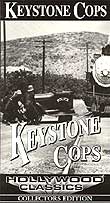 It took until 1912 for American comedy to emerge. The first comics were trained by performing in the circus, in burlesque, vaudeville (music halls), or pantomime. Film entrepreneur Mack Sennett, soon nicknamed "The King of Comedy" and "The Master of Slapstick Comedy," formed the Keystone Company (and Studios) in 1912 - it soon was the leading producer of slapstick and comic characters.
The major hallmark of Sennett's career work was inventive, visual, improvised comedy displayed in short silent films that moved frantically. His early short comedies featured wild slapstick chase finales, visual gags and stunts, and speedy, zany action. The action appeared all the more frantic and frenzied by his use of a filming technique whereby he shot the pictures at a slow camera speed, and then accelerated the frames in the projector during playback. He often cast vaudevillian, burlesque, and circus performers in his films. Those with exaggerated or grotesque looks (obese, cross-eyed, lanky, leering, pop-eyed, etc.) were chosen to add to the unreality of the situations. His most popular pictures involved his bumbling comedy policemen, the Keystone Cops. There would be flying pies, bricks, careening vehicles with people hanging off, crashes, and other dangerous-looking stunts. Cinema's first custard-pie-in-the-face was in Sennett's silent film comedy A Noise From the Deep (1913), in which comedian Mabel Normand, a farmgirl threw a pie into the kisser of obese farmhand Roscoe "Fatty" Arbuckle.
from: http://www.filmsite.org/comedyfilms.html
Cinematic comedy can be considered the oldest film genre (and one of the most prolific and popular). Comedy was ideal for the early silent films, as it was dependent on visual action and physical humor rather than sound. Slapstick, one of the earliest forms of comedy, poked fun at farcical situations of physical mishap and indignity, usually in pratfalls, practical jokes, accidents, acrobatic death-defying stunts, water soakings, or wild chase scenes with trains and cars. [Burlesque is another form of early comedy, characterized by unrefined and broad humor, designed to produce ridicule.] Pioneers in the early days of silent cinema and film-making, the Lumiere Brothers, included a short comedy film in their very first public screening in 1895 titled Watering the Gardener or "The Sprinkler Sprinkled" (L'Arroseur Arrose). Its predictable subject matter included a man with a garden watering hose who was tricked into being soaked by a prankster child.
Keystone Studios:
It took until 1912 for American comedy to emerge. The first comics were trained by performing in the circus, in burlesque, vaudeville (music halls), or pantomime. Film entrepreneur Mack Sennett, soon nicknamed "The King of Comedy" and "The Master of Slapstick Comedy," formed the Keystone Company (and Studios) in 1912 - it soon was the leading producer of slapstick and comic characters.The major hallmark of Sennett's career work was inventive, visual, improvised comedy displayed in short silent films that moved frantically. His early short comedies featured wild slapstick chase finales, visual gags and stunts, and speedy, zany action. The action appeared all the more frantic and frenzied by his use of a filming technique whereby he shot the pictures at a slow camera speed, and then accelerated the frames in the projector during playback. He often cast vaudevillian, burlesque, and circus performers in his films. Those with exaggerated or grotesque looks (obese, cross-eyed, lanky, leering, pop-eyed, etc.) were chosen to add to the unreality of the situations. His most popular pictures involved his bumbling comedy policemen, the Keystone Cops. There would be flying pies, bricks, careening vehicles with people hanging off, crashes, and other dangerous-looking stunts. Cinema's first custard-pie-in-the-face was in Sennett's silent film comedy A Noise From the Deep (1913), in which comedian Mabel Normand, a farmgirl threw a pie into the kisser of obese farmhand Roscoe "Fatty" Arbuckle.
from: http://www.filmsite.org/comedyfilms.html

没有评论:
发表评论