Types of Comedies:Comedies usually come in two general formats: comedian-led (with well-timed gags, jokes, or sketches) and situation-comedies that are told within a narrative. Both comedy elements may appear together and/or overlap. Comedy hybrids commonly exist with other major genres, such as musical-comedy, horror-comedy, and comedy-thriller. Comedies have also been classified in various subgenres, such as romantic comedy, crime/caper comedy, sports comedy, teen or coming-of-age comedy, social-class comedy, military comedy, fish-out-of-water comedy, and gross-out comedy. There are also many different kinds, types, or forms of comedy, including:
This is primitive and universal comedy with broad, aggressive, physical, and visual action, including harmless or painless cruelty and violence, horseplay, and often vulgar sight gags (e.g., a custard pie in the face, collapsing houses, a fall in the ocean, a loss of trousers or skirts, runaway crashing cars, people chases, etc). Slapstick often required exquisite timing and well-honed performance skills. It was typical of the films of Laurel and Hardy, Abbott and Costello, W. C. Fields, The Three Stooges, the stunts of Harold Lloyd in Safety Last (1923), and Mack Sennett's silent era shorts (for example, the Keystone Kops). Slapstick evolved and was reborn in the screwball comedies of the 1930s and 1940s (see further below).
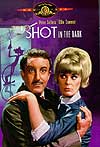 More recent feature film examples include the comedic mad chase for treasure film by many top comedy stars in Stanley Kramer's It's a Mad, Mad, Mad, Mad World (1963), and French actor/director Jacques Tati's mostly dialogue-free Mr. Hulot's Holiday (1953, Fr.), and Jim Carrey in Ace Ventura, Pet Detective (1993) and The Mask (1994).
The Blake Edwards series of Pink Panther films with Peter Sellers as bumbling Inspector Clouseau (especially in the second film of the series,A Shot in the Dark (1964) with Herbert Lom as Clouseau's slow-burning boss and Burt Kwouk as his valet and martial arts judo-specialist) are also great examples. Cartoons are the quintessential form of slapstick, i.e., the Roadrunner and Wile E. Coyote, and others.
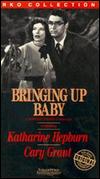 These films combine farce, slapstick, and the witty dialogue of more sophisticated films. In general, they are light-hearted, frothy, often sophisticated, romantic stories, commonly focusing on a battle of the sexes in which both co-protagonists try to outwit or outmaneuver each other. They usually include visual gags (with some slapstick), wacky characters, identity reversals (or cross-dressing), a fast-paced improbable plot, and rapid-fire, wise-cracking dialogue and one-liners reflecting sexual tensions and conflicts in the blossoming of a relationship (or the patching up of a marriage) for an attractive couple with on-going, antagonistic differences (such as in The Awful Truth (1937)). Some of the stars often present in screwball comedies included Katharine Hepburn, Barbara Stanwyck, Claudette Colbert, Jean Arthur, Irene Dunne, Myrna Loy, Ginger Rogers, Cary Grant, William Powell, and Carole Lombard.
from: http://www.filmsite.org/comedyfilms.html
- Slapstick
This is primitive and universal comedy with broad, aggressive, physical, and visual action, including harmless or painless cruelty and violence, horseplay, and often vulgar sight gags (e.g., a custard pie in the face, collapsing houses, a fall in the ocean, a loss of trousers or skirts, runaway crashing cars, people chases, etc). Slapstick often required exquisite timing and well-honed performance skills. It was typical of the films of Laurel and Hardy, Abbott and Costello, W. C. Fields, The Three Stooges, the stunts of Harold Lloyd in Safety Last (1923), and Mack Sennett's silent era shorts (for example, the Keystone Kops). Slapstick evolved and was reborn in the screwball comedies of the 1930s and 1940s (see further below).
More recent feature film examples include the comedic mad chase for treasure film by many top comedy stars in Stanley Kramer's It's a Mad, Mad, Mad, Mad World (1963), and French actor/director Jacques Tati's mostly dialogue-free Mr. Hulot's Holiday (1953, Fr.), and Jim Carrey in Ace Ventura, Pet Detective (1993) and The Mask (1994).The Blake Edwards series of Pink Panther films with Peter Sellers as bumbling Inspector Clouseau (especially in the second film of the series,A Shot in the Dark (1964) with Herbert Lom as Clouseau's slow-burning boss and Burt Kwouk as his valet and martial arts judo-specialist) are also great examples. Cartoons are the quintessential form of slapstick, i.e., the Roadrunner and Wile E. Coyote, and others.
- Deadpan
- Verbal comedy
- Screwball
These films combine farce, slapstick, and the witty dialogue of more sophisticated films. In general, they are light-hearted, frothy, often sophisticated, romantic stories, commonly focusing on a battle of the sexes in which both co-protagonists try to outwit or outmaneuver each other. They usually include visual gags (with some slapstick), wacky characters, identity reversals (or cross-dressing), a fast-paced improbable plot, and rapid-fire, wise-cracking dialogue and one-liners reflecting sexual tensions and conflicts in the blossoming of a relationship (or the patching up of a marriage) for an attractive couple with on-going, antagonistic differences (such as in The Awful Truth (1937)). Some of the stars often present in screwball comedies included Katharine Hepburn, Barbara Stanwyck, Claudette Colbert, Jean Arthur, Irene Dunne, Myrna Loy, Ginger Rogers, Cary Grant, William Powell, and Carole Lombard.from: http://www.filmsite.org/comedyfilms.html

没有评论:
发表评论